Go Back
- 4 salmon fillets (approx. 6 ounces each) - 1/4 cup honey - 3 tablespoons low-sodium soy sauce - 4 cloves garlic, finely minced - 1 tablespoon fresh ginger, grated - 1 tablespoon olive oil - Salt and black pepper, to taste - 2 green onions, thinly sliced (for garnish) - Sesame seeds, toasted (for garnish) Salmon is rich in omega-3 fatty acids. This is great for heart health. The honey gives a sweet touch. It balances well with the salty soy sauce. Garlic adds depth and flavor, making it fragrant. Fresh ginger brightens the dish and adds a spicy kick. Low-sodium soy sauce keeps it healthy. It still provides that umami taste we love. Olive oil helps cook the salmon while adding richness. Green onions and sesame seeds add color and crunch. They make the dish visually appealing and tasty. If you're allergic to fish, try chicken or tofu instead. Both absorb flavors well. For the honey, maple syrup is a good choice for a similar sweetness. Use tamari if you need a gluten-free option. You can replace garlic with shallots for a milder flavor. If ginger is not available, ground ginger works too, but use less. Always check for allergies to any ingredient before cooking. This way, you can enjoy the meal safely! {{ingredient_image_2}} To make the marinade, grab a medium bowl. In that bowl, whisk together the honey, low-sodium soy sauce, garlic, and ginger. This mix gives your salmon a sweet and savory flavor. Whisk until the ingredients blend well and the mixture is smooth. This step is key for a great glaze. Next, take your salmon fillets. Place them in a shallow dish. Make sure they sit in a single layer. Pour the marinade over the salmon, coating each fillet well. Cover the dish and put it in the fridge. Let it marinate for at least 30 minutes. If you have more time, let it sit for up to 1 hour. The longer it sits, the better the taste. Now, preheat your oven to 400°F (200°C). This ensures it reaches the right heat while the salmon marinates. In an oven-safe skillet, heat olive oil over medium-high heat. Once the oil shimmers, take the salmon out of the marinade. Place the fillets skin-side down in the skillet. Sear them for about 3-4 minutes. You want the skin crispy and golden. After this, gently flip the salmon using a spatula. Pour the reserved marinade over the top. Transfer the skillet to the oven and bake for 8-10 minutes. The salmon is ready when it flakes easily with a fork. For a nice glaze, switch your oven to broil for the last 2-3 minutes. This step helps caramelize the glaze, making it shiny and tasty. Watch it closely to prevent burning. Once done, remove the skillet from the oven. Garnish your salmon with sliced green onions and toasted sesame seeds. Enjoy your delicious dish! To make salmon just right, focus on the cooking time. Salmon needs about 12 to 14 minutes total. First, sear it for 3 to 4 minutes on medium-high heat. Then, bake it for 8 to 10 minutes. The salmon should flake easily with a fork when it’s done. Use a meat thermometer to check for doneness. The ideal temperature is 145°F (63°C). Marinating is key to great flavor. Use a shallow dish for the salmon fillets. Make sure they are in a single layer. Pour the marinade over them so they are well coated. Allow the salmon to marinate for at least 30 minutes. For a stronger taste, let it marinate for up to 1 hour. Keep it in the fridge during this time. Using the right tools makes cooking easier. You will need an oven-safe skillet for this recipe. A spatula is important for flipping the salmon without breaking it. Use a whisk for mixing the marinade well. A meat thermometer helps check if the salmon is cooked through. Having these tools ready will make your cooking experience smoother and more fun. Pro Tips Marinate Longer for Flavor: Allow the salmon to marinate for up to 1 hour for a more intense and flavorful glaze. Use Fresh Ingredients: Fresh garlic and ginger enhance the overall taste of the dish, making it more aromatic and delicious. Check Salmon Doneness: The salmon is perfectly cooked when it flakes easily with a fork and is opaque in the center. Broil for Extra Caramelization: Broiling for the last few minutes can add a beautiful glaze, but watch closely to prevent burning. {{image_4}} You can easily change the taste of honey garlic glazed salmon. Here are some ideas: - Add citrus juice: Squeeze fresh lemon or lime juice into the marinade. - Use herbs: Add fresh herbs like cilantro or basil for a fresh twist. - Spice it up: Mix in red pepper flakes or chili paste for heat. These tweaks can make this dish even more exciting and fun. Not in the mood for salmon? Try these options: - Chicken breast: Use the same marinade for juicy grilled chicken. - Tofu: Marinate and bake firm tofu for a plant-based option. - Shrimp: Cook shrimp in the same glaze for a quick seafood dish. These proteins soak up the flavors well, making them great substitutes. How you plate your dish can make it more delightful. Here are some fun ideas: - Serve on rice: Place the salmon over fluffy jasmine rice. - Wrap in lettuce: Use large lettuce leaves as a wrap for a fresh bite. - Top with slaw: Add a crunchy slaw for texture and color. These serving methods can elevate your meal and impress your guests. To store leftovers, let the salmon cool down first. Place the salmon in an airtight container. Make sure to keep some of the glaze if you want extra flavor. Leftover salmon will stay fresh in the fridge for up to three days. If you have extra garlic or ginger, you can add them to the glaze for more taste when you reheat. To reheat the salmon, use an oven for the best results. Preheat your oven to 300°F (150°C). Place the salmon on a baking sheet. Drizzle a little extra glaze over it to keep it moist. Heat for about 10-15 minutes, or until it is warm all the way through. You can also use a microwave, but be careful not to overcook it. Heat in short bursts of 30 seconds. If you want to freeze the salmon, do it as soon as it cools. Wrap each fillet tightly in plastic wrap and then in foil. It can stay in the freezer for up to three months. To thaw, move the salmon to the fridge a day before you want to eat it. This slow thawing helps keep its flavor and texture. Always avoid refreezing thawed salmon for best quality. Yes, you can use frozen salmon. Just thaw it in the fridge overnight. This keeps it safe and tasty. Once thawed, follow the same steps to marinate and cook. The flavor will still shine through! You know the salmon is done when it flakes easily with a fork. The flesh should change from translucent to opaque. You can also check the internal temperature; it should reach 145°F (63°C). If you’re unsure, cut a small piece to see. Many sides go well with this dish. Here are a few to try: - Steamed broccoli - Garlic mashed potatoes - Jasmine rice - Quinoa salad - Roasted asparagus These sides bring balance and add color to your plate. Yes, grilling works great! Just preheat your grill to medium-high heat. Marinate the salmon as usual. Place the fillets skin-side down on the grill. Cook for about 5-6 minutes, then flip and grill for another 4-5 minutes. Brush with the marinade for extra flavor. Enjoy that smoky taste! This blog post covered everything about making Honey Garlic Glazed Salmon. We explored the ingredients and shared tips for marinating and cooking it perfectly. You learned about variations and how to store leftovers well. Remember, cooking salmon can be easy and fun with the right methods. Try different flavors and proteins to keep it fresh. Enjoy your cooking journey, and don’t hesitate to get creative!

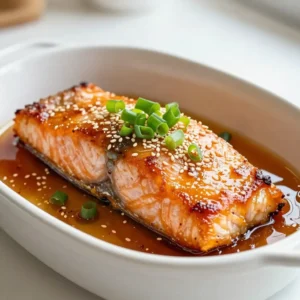
Honey Garlic Glazed Salmon Delight

A delicious salmon dish glazed with a sweet and savory honey garlic sauce.
Prep Time 10 minutes
Cook Time 40 minutes
Total Time 50 minutes
Course Main Course
Cuisine American
Servings 4
Calories 350 kcal

Ingredients
  

  • 4 fillets salmon
  • 0.25 cup honey
  • 3 tablespoons low-sodium soy sauce
  • 4 cloves garlic, finely minced
  • 1 tablespoon fresh ginger, grated
  • 1 tablespoon olive oil
  • to taste salt and black pepper
  • 2 green onions thinly sliced (for garnish)
  • to taste toasted sesame seeds (for garnish)

Instructions
 

  • In a medium bowl, whisk together the honey, low-sodium soy sauce, minced garlic, and grated ginger until the mixture is well combined and smooth.
  • Place the salmon fillets in a shallow dish, ensuring they are arranged in a single layer. Pour the prepared marinade over the fillets, ensuring they are thoroughly coated. Cover and let marinate in the refrigerator for at least 30 minutes, or up to 1 hour for an even more intense flavor.
  • While the salmon is marinating, preheat your oven to 400°F (200°C) to ensure it reaches the desired cooking temperature.
  • In an oven-safe skillet, heat the olive oil over medium-high heat. Once the oil is hot and shimmering, carefully take the salmon fillets out of the marinade (keeping the marinade aside) and place them skin-side down in the skillet. Sear the fillets for about 3-4 minutes, or until the skin is crispy and golden brown.
  • Gently flip the salmon fillets over using a spatula, and pour the reserved marinade over the top of the fillets. Transfer the skillet to the preheated oven and bake for an additional 8-10 minutes. The salmon is done when it flakes easily with a fork and is cooked through.
  • For an extra touch, switch your oven to broil for the last 2-3 minutes of cooking to caramelize the glaze slightly. Be vigilant, as broiling can quickly lead to burning.
  • Once cooked, remove the skillet from the oven, then garnish the salmon with sliced green onions and a generous sprinkle of toasted sesame seeds. Serve immediately alongside your favorite sides, such as steamed vegetables or rice, for a complete meal.

Notes

For an extra touch, broil the salmon for a few minutes to caramelize the glaze.
Keyword glazed, honey garlic, salmon, seafood