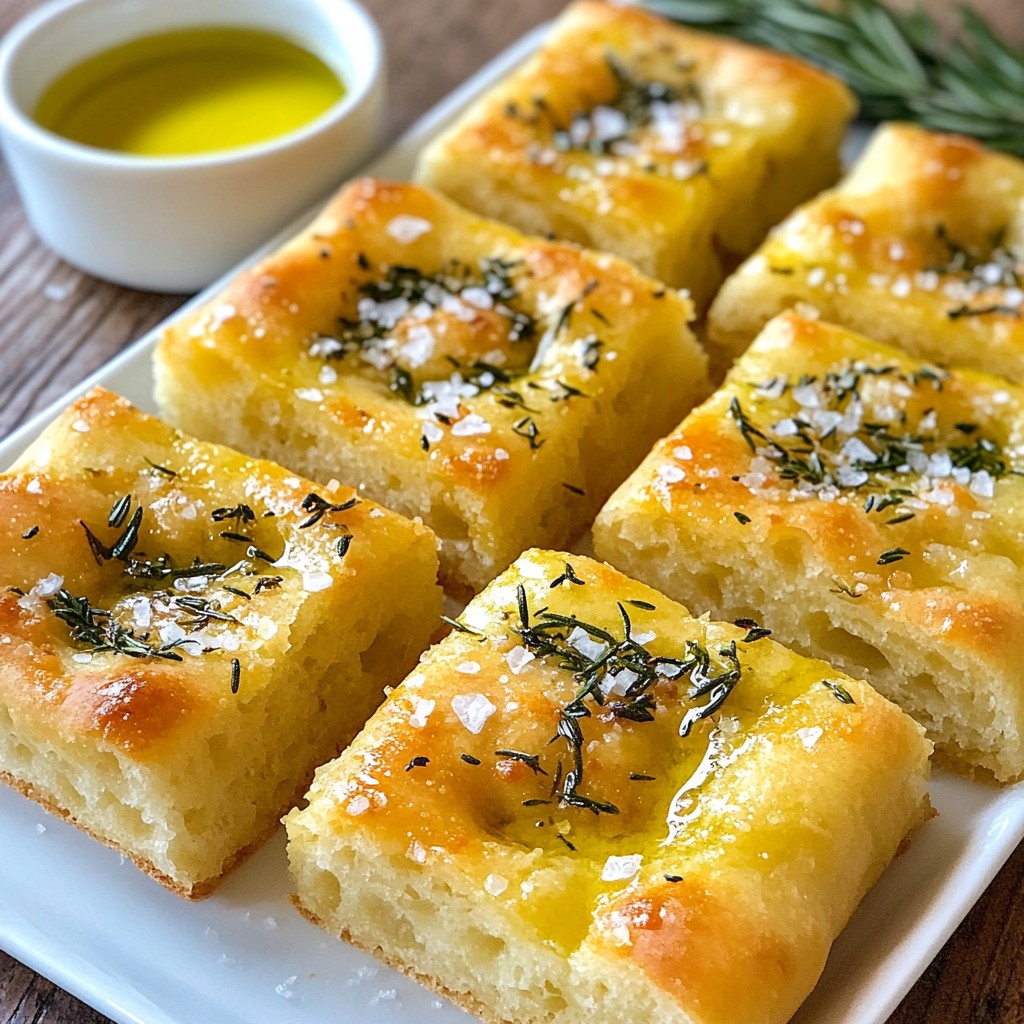
If you want to impress friends and family, try making Rosemary Garlic Focaccia. This delightful homemade bread is easy and packed with flavor. I will walk you through each step, from choosing the right ingredients to baking perfection. Plus, you’ll discover tips to enhance its taste and even some fun variations. Let's get started on creating a bread that will make your kitchen smell fantastic!
Why I Love This Recipe
- Simple Ingredients: This focaccia recipe uses basic pantry staples, making it accessible for everyone to try at home.
- Delicious Aroma: The combination of rosemary and garlic fills your kitchen with an unforgettable fragrance while baking.
- Customizable: You can easily add your favorite toppings like olives, sun-dried tomatoes, or cheese for a personal touch.
- Perfect for Sharing: This recipe yields a generous amount, making it an ideal choice for gatherings and family meals.
Ingredients
Essential Ingredients
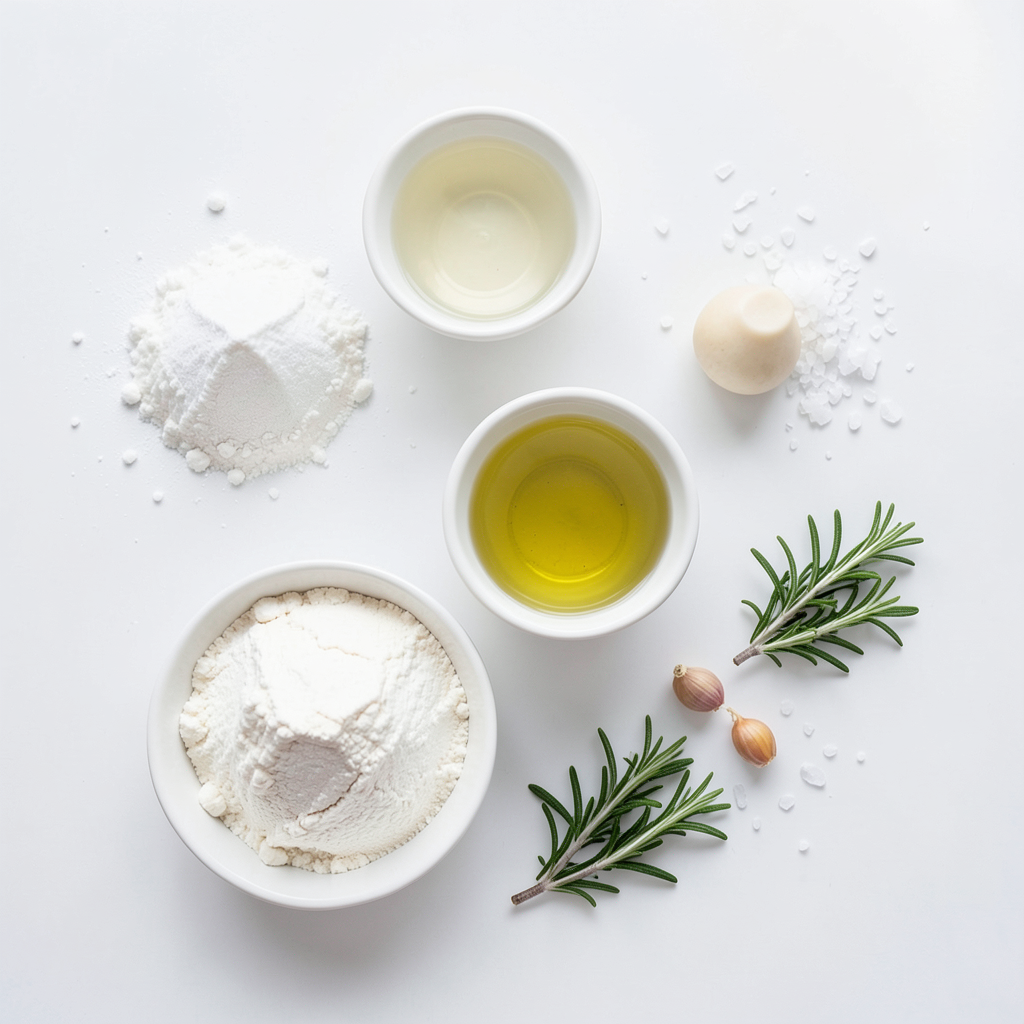
- Flour type and quantity: I use 4 cups of all-purpose flour. This flour gives the focaccia its soft, chewy texture.
- Yeast and activation details: Use 1 packet of active dry yeast, about 2 ¼ teaspoons. Mix it with warm water to activate it. The water should be around 110°F, or 43°C.
- Olive oil and its role: I love using ¼ cup of olive oil in the dough. It adds flavor and makes the bread tender. Drizzling more olive oil on top enhances the taste.
Flavor Enhancers
- Fresh rosemary and garlic specifics: I add 2 tablespoons of finely chopped fresh rosemary and 4 minced cloves of garlic. This combo brings a wonderful aroma and taste.
- Sea salt types (flaky vs. regular): I prefer flaky sea salt for the top. It adds a nice crunch. Regular sea salt works too, but the texture differs.
Optional Add-ins
- Other herbs or toppings to consider: You can try adding thyme or oregano for extra flavor. Olives or sun-dried tomatoes also make great toppings.
- Cheese or vegetable options: Cheese lovers can sprinkle on some parmesan or mozzarella. Fresh veggies like bell peppers or onions can add color and taste.
Step-by-Step Instructions
Preparing the Dough
To start, we need to activate the yeast. In a large bowl, add warm water and sprinkle in the active dry yeast. Stir gently and let it sit for about 5 minutes. You want it to get frothy with bubbles. This shows the yeast is alive and ready to work.
Next, add olive oil and sea salt to the bowl. Gradually mix in half of the flour. Use a wooden spoon or your hands to combine the ingredients. Then, slowly add the rest of the flour until a sticky dough forms.
Now, we knead the dough. Lightly flour a clean surface, then transfer the dough onto it. Knead for about 5 to 7 minutes. The dough should become smooth and elastic. If it feels too sticky, sprinkle a little more flour until it feels just right.
Rising and Shaping
After kneading, shape the dough into a ball. Place it in a large bowl that you have lightly oiled. Cover the bowl with a damp cloth or plastic wrap. Let the dough rise in a warm spot for about 1 hour. It should double in size.
Once risen, gently punch down the dough to deflate it. Transfer it to a baking sheet lined with parchment paper. Stretch and spread the dough until it is about 1 inch thick.
Use your fingers to create dimples all over the surface. This adds texture and helps hold toppings. Evenly spread the minced garlic and chopped rosemary on top. Drizzle more olive oil over everything. Finish with a sprinkle of flaky sea salt for extra flavor.
Baking Instructions
Now, preheat your oven to 425°F (220°C). This ensures it’s hot and ready for baking. Let the dough rest for another 20 minutes. This helps improve the texture.
After resting, place the focaccia in the oven and bake for 20 to 25 minutes. Look for a golden brown color. When you tap the bottom, it should sound hollow. This means it’s done.
Once baked, remove the focaccia from the oven. Let it cool for a few minutes on a wire rack. After it cools slightly, slice it into pieces and serve warm.
Tips & Tricks
Perfecting Your Focaccia
To make focaccia that shines, avoid common mistakes. First, always check your yeast. Ensure it’s fresh and active. If it doesn't bubble, it won’t rise. Next, don’t rush the kneading. Knead for 5-7 minutes. This builds gluten, which helps the bread rise.
For a golden crust, use a hot oven. Preheat it to 425°F. Drizzle olive oil over the dough before baking. This adds flavor and helps it brown. Finally, let the dough rest before baking. This extra time enhances texture and taste.
Enhancing Flavor
Want more flavor? Try adding toppings. Sliced olives, sun-dried tomatoes, or cheese work well. For herbs, consider thyme or oregano alongside rosemary.
To boost garlic flavor, use roasted garlic. It has a sweet taste and spreads easily. You can also mix garlic into the dough. This gives every bite a tasty kick.
Serving Suggestions
Serve focaccia warm for the best taste. Cut it into squares or rectangles. This rustic look is inviting. Pair it with dips like hummus or pesto. Soups also make a great match, especially tomato or minestrone.
For a special touch, add a small bowl of olive oil for dipping. Garnish with fresh rosemary sprigs to make it pretty. This adds aroma and makes your focaccia stand out.
Pro Tips
- Use Fresh Herbs: Fresh rosemary makes a significant difference in flavor. If possible, use fresh rather than dried for the best aromatic experience.
- Perfect Dough Consistency: Aim for a slightly sticky dough, which will yield a soft and airy focaccia. Don’t be afraid to use a little extra flour if it’s too sticky to handle.
- Layer Flavors: For added depth, consider incorporating other toppings like sliced olives, sun-dried tomatoes, or caramelized onions alongside the garlic and rosemary.
- Resting Period: Allowing the dough to rest before baking enhances the texture. Don’t skip this step, as it contributes to the focaccia's characteristic chewiness.
Variations
Different Herbs and Spices
You can swap out rosemary for other herbs. Thyme, oregano, or basil work well. Each herb gives a new taste. Try mixing herbs for extra flavor. For spices, consider adding crushed red pepper flakes. This adds warmth and a kick.
Gluten-Free Option
For a gluten-free focaccia, use gluten-free flour blends. Look for blends that include xanthan gum. This will help with texture. You may need to add more water, as gluten-free dough can be drier. Let it rise longer, about 1.5 hours, to ensure it puffs nicely.
Sweet Focaccia Variation
Want something sweet? Add fruits like figs or berries. You can also sprinkle cinnamon sugar on top. This gives your focaccia a dessert twist. Adjust the salt down to balance the sweetness. Serve it with whipped cream for a special treat.
Storage Info
Short-term Storage
To keep focaccia fresh for a few days, store it in a paper bag. This allows air to circulate and helps keep the crust crisp. Avoid plastic bags, as they trap moisture and make the bread soggy. You can also wrap it in a clean kitchen towel. Place the wrapped focaccia in a cool, dry spot in your kitchen. It stays tasty for about 2 to 3 days.
Long-term Storage
For long-term storage, freezing focaccia works best. After it cools completely, slice it into pieces. Wrap each piece tightly in plastic wrap. Then, place the wrapped pieces into a freezer bag. Make sure to squeeze out as much air as possible. Focaccia can stay in the freezer for up to 3 months without losing much quality.
Reheating Tips
To reheat focaccia for the best taste, use an oven. Preheat your oven to 350°F (175°C). Place the focaccia directly on the oven rack or on a baking sheet. Heat for about 10 to 15 minutes, until warm. This method revives its crispy crust and soft inside. You can also microwave individual pieces. Just warm them for 10-15 seconds at a time. Be careful not to overdo it, or they may become chewy.
FAQs
What is focaccia bread?
Focaccia is a flat Italian bread. It has a rich, olive oil flavor. The dough is simple, made from flour, water, salt, and yeast. It can be topped with herbs, garlic, or other ingredients. Focaccia dates back to ancient times. People in Italy used it as a base for many meals. The bread is soft and slightly chewy, with a crispy crust. It’s perfect for dipping or as a side dish.
Can I use instant yeast instead of active dry yeast?
Yes, you can use instant yeast. The main difference is in how you use it. With instant yeast, you do not need to proof it. Just mix it directly with the flour. You should still use warm water, but the amount stays the same. Make sure to keep the same rising time. This way, your focaccia will still rise well and taste great.
How do I know when the focaccia is done baking?
You can tell if focaccia is done by looking for a golden-brown color. It should look puffy and slightly firm. When you tap the bottom, it should sound hollow. If it feels soft, give it a few more minutes. You want a nice crust on the top and bottom. This will give you the perfect texture and flavor.
To create focaccia, focus on quality ingredients like flour and yeast. Flavor enhancers like rosemary and garlic make a big difference. Follow the simple steps: prepare, rise, shape, and bake. Don't forget tips for a perfect crust and delicious toppings. Explore variations like sweet focaccia or gluten-free options to suit your tastes. With the right storage and reheating methods, you'll enjoy fresh focaccia for days. Remember, practice makes perfect, so keep exploring and experimenting with your recipes. Enjoy your homemade focaccia journey!